
North Lauderdale Sources for Previous Residents
The backward trail spans present parcel data, recorded instruments, regional address directories, census schedules, and city files. Start with the source closest to the fact and era in question.
| Source | Years It Covers | Where Held | What It Shows |
|---|---|---|---|
| BCPA parcel card | Current; sales depth varies | BCPA | Owner, mail/situs, folio, deed reference |
| Official Records index | 1978-present | Broward RTT online | Grantor, grantee, instruments |
| Older recorded media | 1871-1977 holdings | RTT Search and Copy | Older books and deed links |
| Fort Lauderdale Suburban directories | 1975-1986 | Main Library database | Address, listed occupant, phone |
| Federal census | 1790-1950 public | NARA and library databases | Households at ten-year intervals |
| Permits and code | Portal depth not dated | North Lauderdale CSS/request | Projects, actors, dates |
Previous residents after postwar development may appear in the suburban run. Earlier work often needs Broward, subdivision, or Fort Lauderdale labels because North Lauderdale incorporated in 1963.
Walk Back North Lauderdale's Broward Deed Chain
Broward deeds are indexed by party name, so an address-first search starts in BCPA. Save the owner, folio, and legal description before opening Official Records.
- Find the current parcel and copy its owner, folio, and legal description.
- Find the owner's acquisition deed and note the seller and recording reference.
- Search that seller as an earlier grantee.
- Confirm the legal description and repeat.
- Ask Search and Copy for a pre-1978 link.
- Grantor / grantee
- The transferring party and receiving party.
- Chain of title
- The linked sequence of ownership transfers.
- Legal description
- The stable land identity used to match records even when postal form changes.
North Lauderdale Owners and Occupants Are Different
A deed chain names owners, not all previous residents. A tax mailing address can lead elsewhere, while situs locates the parcel. Homestead supports owner occupancy for a period but does not list a household.
Title evidence
Use deeds, parcel cards, and legal descriptions for ownership.
Household evidence
Use directories, census, obituaries, and probate for listed people.
Keep event date, recording date, and date inspected in separate chronology columns. A deed may be signed before it is recorded, and neither date alone proves occupancy.
North Lauderdale Previous Residents Before 1978
The online Official Records index starts January 1, 1978. Older-media holdings reach 1871, while August 24, 1998 is a separate online-image statement. Index, image, and custody thresholds are not interchangeable.
A focused request should give party variants, approximate dates, document class, book/page or CFN when known, and legal description. Broward County began in 1915, so older work may lead into predecessor jurisdictions.
North Lauderdale Permits Date Physical Change
Citizen Self-Service combines permits, inspections, business licenses, and code compliance behind an account workflow. A file can show an owner, applicant, contractor, scope, dates, inspections, and status, but no listed actor is automatically a resident.
For missing files, identify the situs, folio, record type, date span, native electronic format, and attachments in a City Clerk request. This can date an addition or repair without overstating who lived there.
Vital Records Close North Lauderdale Address Trails
The Florida vital-records gateway routes requests by event type and eligibility.
The Broward health office is the local birth and death certificate channel.
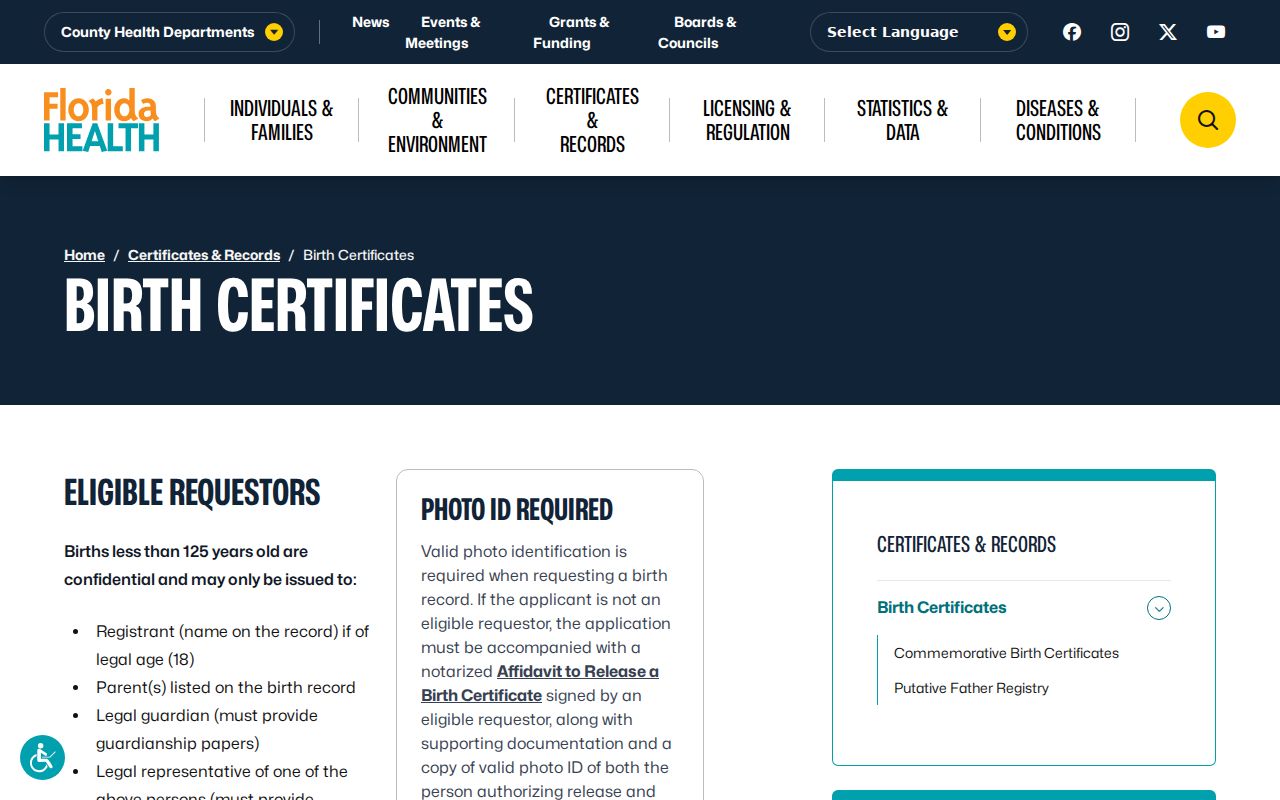
Birth certificates are confidential under section 382.025 and become public 125 years after birth. The state birth page explains authorized ordering.
Death, Divorce, and North Lauderdale Previous Residents
Death, dissolution, probate, and obituary sources can explain why a name leaves an address trail. Death certificates without cause are public; cause information is restricted for 50 years under section 382.025(2)(a).
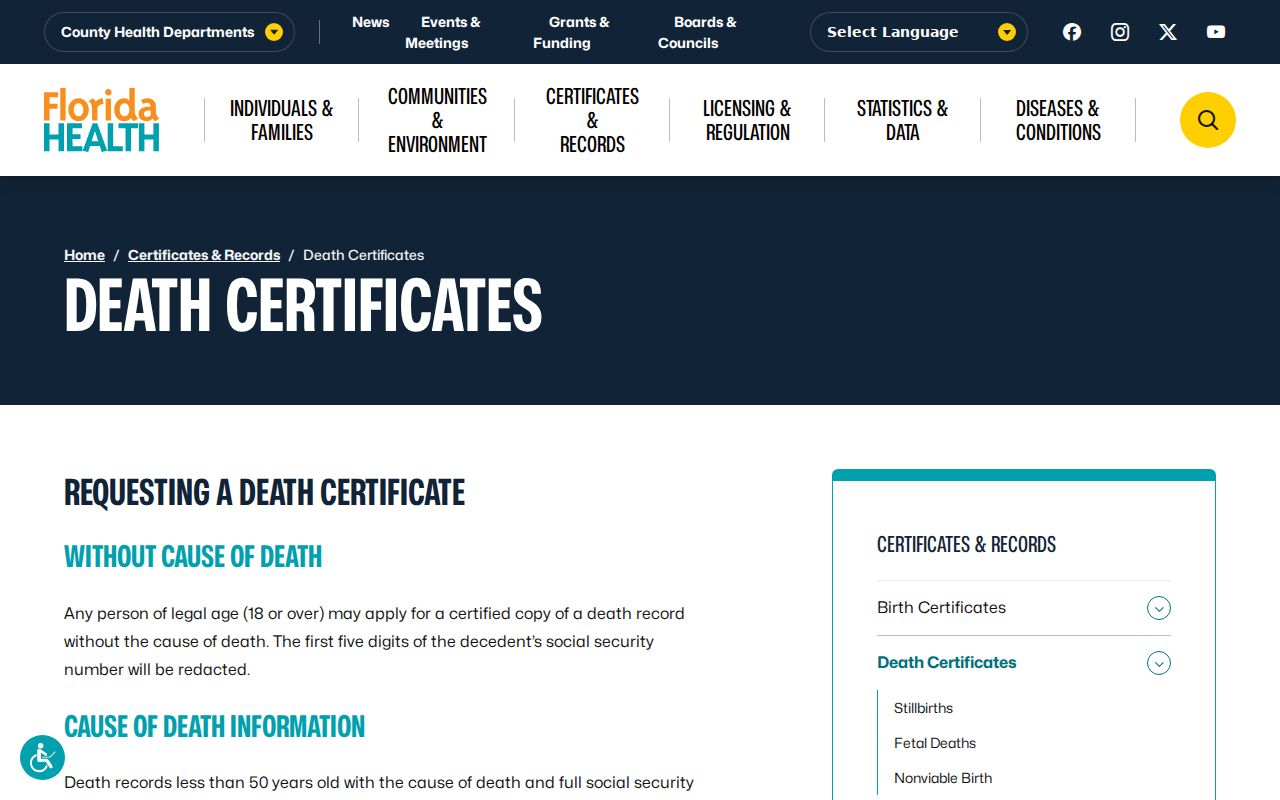
The death certificate page describes versions and access.
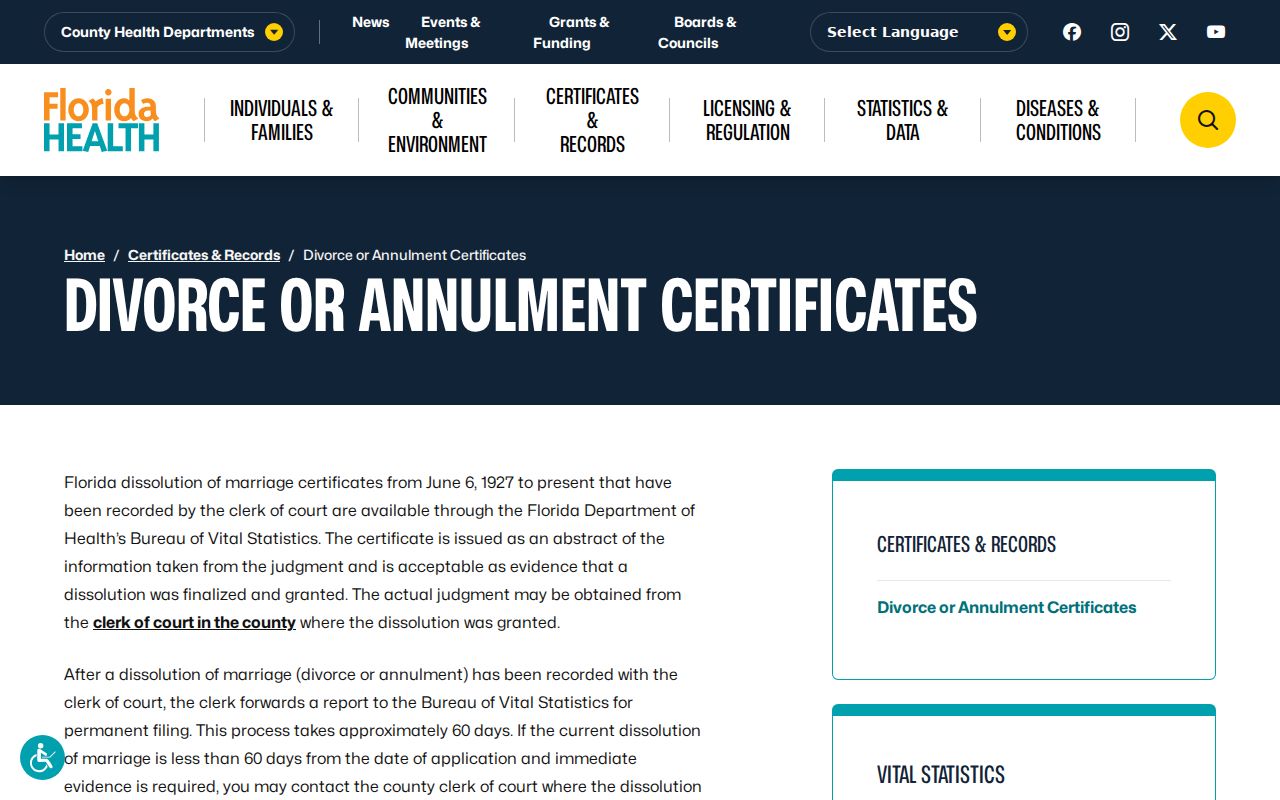
The state dissolution page covers certificates, while Broward Clerk keeps the full case file.
Pair North Lauderdale Directories, Census, and Obituaries
The 1975-1986 Fort Lauderdale Suburban directories can connect an address to a listed occupant and phone. The broader Fort Lauderdale run covers 1936-37 through 1981, though early volumes have limited value for the later city. Collection details appear on the North Lauderdale city directory page.
- Search the address in the closest directory year.
- Move year by year to bracket arrival and departure.
- Compare the nearest public census schedule.
- Use newspapers, probate, and obituaries to explain a gap.
Main Library Periodicals accepts remote article and obituary requests, but not every death was reported. No verified local Sanborn sheet or citywide renumbering ordinance was found, so use plats, aerials, BCPA building data, and permits.
Lawful use. Research previous residents for house history, genealogy, or personal curiosity. Never use an old trail to watch, harass, or harm a living person.
Resolve North Lauderdale Resident Conflicts
Previous residents research often produces dates that seem to disagree. A deed has an execution date and a later recording date. A parcel card may reflect a newer tax-roll cycle. A directory was compiled before the year printed on its cover. An obituary is a published secondary account, while a probate docket records procedural events and claims. Keep those dates and roles apart.
Prefer the source closest to the fact it legally records. Use the recorded deed and legal description for a title transfer, BCPA for current tax-roll context, a directory page for its printed address listing, and a Clerk docket for a filed event or disposition. Preserve the spelling found in the index and note a different spelling visible on the image. Do not silently correct history.
A break in the chain does not prove that records vanished. It can signal a trust, probate transfer, corrective instrument, name variation, association ownership, or a pre-1978 instrument not in the web index. Remove the first name, try an initial or partial surname, widen the date range, and search the legal description. If that fails, give RTT the parties, date span, document class, and parcel key. The same measured method keeps an address history useful without turning an uncertain clue into a claim about who lived there.
Label each chronology row by evidentiary role. Useful labels include owner of record, tax-mail recipient, homestead indicator, listed occupant, registered voting residence, permit applicant, court-party address, and relative or heir named in probate. These roles can overlap, but they do not mean the same thing. A directory entry is a publisher's snapshot and can omit recent moves or unlisted people.
When a household name first appears between directory years, treat the span as a bracket rather than an exact move date. Pair it with a deed, permit, census schedule, newspaper item, or probate record. A deed can transfer title while an occupant stays. A permit can date construction but name a contractor who never lived there. The goal is a documented sequence, not a tidy story forced onto mixed records.
North Lauderdale's 1963 incorporation shapes early work. A prior record may sit under Broward County, a subdivision, a road, or Fort Lauderdale regional coverage. Broward County began in 1915, so older research can require Dade or Palm Beach predecessor records. Test this geographic shift before concluding that a record is missing.
No North Lauderdale-specific Sanborn sheet was verified. Use subdivision plats, aerials, BCPA improvement data, permits, and the city boundary viewer instead. Each can locate or date physical change, though none identifies every previous resident. The lack of a verified sheet must remain a research limit, not become an invented map year.
Obituaries and probate work best after a name and period are known. Main Library Periodicals accepts remote article and obituary requests but warns that not every death was reported. Give spelling variants, address, date window, desired title, and known event date. A negative response shows only what the searched source returned.
Preserve a citation or copy for each decisive step. Record the indexed spelling and any different spelling on the image. Note whether a deed copy is certified or merely a research image. Keep a court allegation apart from disposition. This discipline makes the previous residents timeline useful while keeping uncertain North Lauderdale facts clearly marked.
A focused North Lauderdale permit or code request starts with the exact situs and folio, then states the record series and inclusive dates. Ask for the native electronic file and attachments. If the city does not hold county approvals, ask the Clerk to identify the right custodian. A precise request is easier to search and less likely to produce unrelated names.
An RTT older-deed request should give party names and variants, approximate recording dates, deed or document class, book and page or CFN when known, and the parcel legal description. State whether an uncertified research copy is sufficient or a certified copy is required. The distinction affects the product requested, not the history itself. Keep execution and recording dates separate when the copy arrives.
For directories and newspapers, send Main Library the exact name variants, historical address, approximate year, desired title, and an obituary date window. Test both Fort Lauderdale Suburban and general Fort Lauderdale labeling. If OCR or an electronic index fails, staff review of microform can still help. Yet an unsuccessful search never proves that no notice or listing existed.
Past residents may also appear at the end of a title chain through probate. Use the Broward Clerk case record to identify the estate, petition, personal representative, and filed events, then compare recorded deeds and obituaries. A court-party name does not by itself prove residence, ownership, liability, or kinship. The specific filing and its disposition must support the role assigned in the timeline.